Tribes of the Omo Valley & Lalibela
- Information
- Tour Plan
- Gallery
- Similar Tours
What's included
- Day 1
- Day 2
- Day 3
- Day 4
- Day 5
- Day 6
- Day 7
Arrival in Addis Ababa
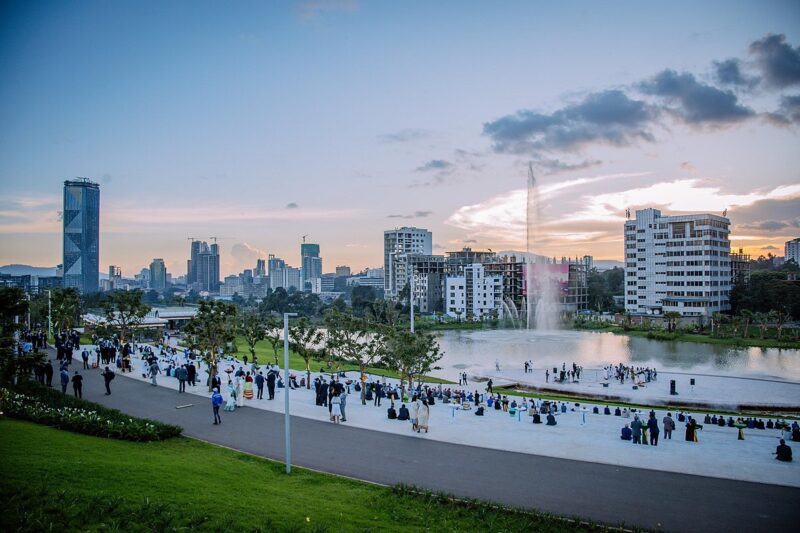
Arrive in Addis Ababa (ADD), Ethiopia. Welcome to Ethiopia! Upon arrival at Addis Ababa Bole International Airport, you will be welcomed and assisted by your tour guide and driver for the transfer to Hot5el. There will be a short drive to your hotel. Addis Ababa, founded in 1886 by Menelik II, is situated at 2,500 meters (8000 ft) above sea level. It is the highest capital city in the world, after La Paz and Quito in South America. The city enjoys an excellent climate all year round, with an average temperature of 25 °C (77 °F). With a multiethnic population of over 5 million, Addis Ababa is a pleasant city with wide avenues of jacarandas, interesting museums, and one of the largest open-air markets in Africa, known as the “Mercato”. The rest of the day city tour of Addis Ababa, which include: the National Museum which houses Lucy, Ethnographic Museum and visit to the African Union. In the morning, you will visit the National Museum and Ethnographic Museum: The National Museum is one of the best museums in quality and diversity of the exhibits. Archaeological exhibits include the 3.5 million-year-old fossil of Lucy (or Dinkinesh – ‘thou art wonderful’- in the native language), a hominoid woman of the species Australopithecus Afarensis. The discovery of Lucy’s fossil in 1974 forced a complete rethink of human genealogy, providing that our ancestors were walking 2.5 million years earlier than had been supposed. The National Museum also contains many wonderful artifacts dating back to pre-Axumite civilization. The Ethnographic Museum is very different from the National Museum, but equally absorbing. This museum exhibits a varied array of artifacts and daily objects related to most ethnic groups in Ethiopia. After visiting the ethnographic Museum, which is found the in the Addis Ababa University, we can make time to visit the University and meet the professors there. We will then head to Kechene Women Cooperatives to visit the skillful women making different kinds of potery using their hand.
Accommodation: Jupiter Hotel-Addis Ababa.
Addis Ababa-Jinka-Turmi
In the morning, fly to Jinka. We will then meet our drivers to take us deep to the remote tribes of the Omo Valley. The rest of the day we will spend time with the Hamer Tribe. The Hamar live among the bush-covered hills on the eastern side of the Omo Valley in southern Ethiopia. The Hamer display an elaborate and diverse selection of body decorations. They are also identifiable for their high cheekbones, elaborate custom of beads, cowries, and leather, and thick copper necklaces.
Accommodation: Buska Lodge-Turmi. (Meal: B/D )
Turmi-Omorate
In the cool morning, we will drive to Omorate to visit the Desanech (Geleb) tribal village after crossing the Omo River by boat. The Desanech are nomadic pastoralists found across the western bank of the Omo River south of Lake Turkana, very close to the Kenyan boarder. After having lunch at the lodge, we will attend the Bull Jumping ceremony around 3:00 P.M. across the Keske River. The Hamer tribe practice unique ritual,s such as a cattle-leaping ceremony that men go through in order to reach adulthood, whereupon young Hamar women get whipped to prove their love for their kinsmen.
Accommodation: Buska Lodge-Turmi. (Meal: B/D)
Karo Tribe-Jinka
After having an early breakfast we will drive to Karo Village to visit the Karo tribes who are famous for their body painting and unique hair style commonly decorated with ostrich feather and different colors of clay and pigments. We will then drive to Jinka where we will be staying overnight. In the afternoon, we will spend time with the Ari tribe and witness their unique life style and daily activity.
Accommodation: Buska Lodge-Turmi. (Meal: B/D)
Jinka-Mursi-Addis Ababa
Early in the morning we will drive to Mursi Village through Mago National Park. The Mursi, undoubtedly the most celebrated residents of South Omo are distinctive group of pastoralists. The Mursi are best known for their unique item of decoration, lip plates. Women of Mursi wear circular clay plate on their lower lip and the bigger a women can wear, the greater her value when she get married. The rest of the day, we will visit Merkato, the biggest open air market and drive around Piassa and Churchill Avenue for the last minute souvenir shopping.
Accomodation-Jupiter Hotel-Addis Ababa. (Meal: B/D)
Addis Ababa - Lalibela
After having an early breakfast at the hotel, transfer to Bole International Airport for your flight to Lalibela. After check in to hotel, we will drive to the site where we find a concentration of some of Ethiopia’s most famous rock-hewn churches, mostly referred by many as “the living wonders of the world” These churches are, and they have been for at least 800 years, an active Christian shrine, the spiritual center of the country’s religious life. The monolithic churches were carved out of 2,600-sq meter natural rock terrace in the 12-century AD by king Lalibela. Bete Medhani Alem, the largest monolithic rock-hewn church in the world, measures 37.7 ft in height, covers an area of almost 2625 square ft and has walls that are up to six feet thick. A plain building supported by 36 pillars on the inside and another 36 pillars around the outside, Bete Medhani Alem was modeled on the original St. Mary Zion Church built by King Ezana in the 4th century at Axum. The rock-hewn churches that we will visit today include: Bete Medhani Alem, Bete Mariam, Bete Meskel, Bete Denagil, Bete Golgotha Michael and Bete Giorgis. Most celebrated Ethiopian traditions, and a lifestyle – in which most Ethiopians can identify themselves with. After having some rest and lunch at the hotel, we will continue our journey into Ethiopia’s long and marvelous past with a visit to other St. Lalibela’s remarkable churches-their architecture and artistry must be seen to be believed. Ones we finished visiting the second group of churches we will walk to the village through the complex bewildering labyrinth of underground tunnels to the monastery were the monks and nuns live. The rock-hewn churches that we will visit this afternoon include: Bete Gebriel, Bete Merkorios, Bete Amanuel, Bethlehem and Bete Aba Libanos. Late in the afternoon, we will attend a special Ethiopian coffee ceremony and we will get the chance to learn and how coffee is prepared in the ancient way at its birth place. Those who can’t face their day with out a cup of coffee may be surprised to know that in it’s birthplace in Ethiopia’s Kaffa region-from which it gets its name- the berries were originally only eaten, never roasted and ground for a drink. Only since the 13th century, coffee has been made a hot drink. Holding a coffee ceremony is a traditional Ethiopian way of welcoming a guest and giving the guest the best hospitality. It is probably one of the
Accommodation: Harbe Hotel -Lalibela. (Meal: B/L/D)
Lalibela-Addis Abeba/Departure
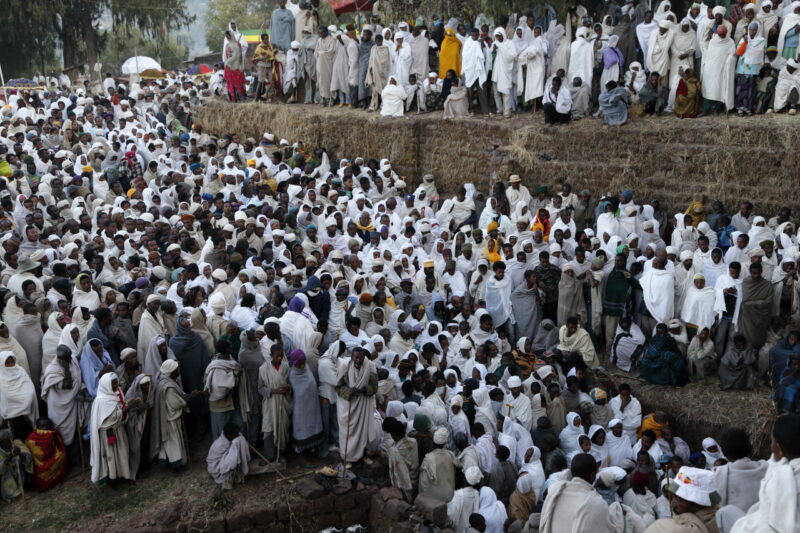
In the morning, we will go to the rock-churches one more time to attend the early morning mass around the churches. After breakfast, transfer to Addis Ababa airport for the flight to Addis Ababa to arrive Addis Abeba around 13:00. The rest of the day city tour of Addis Ababa. In the evening, there will be farewell dinner party with traditional special buffet and local drinks. There will also be cultural dance show of the different ethnic groups living in the country. There will not be any better way of ending a trip. At the end of the farewell dinner, transfer to Addis Ababa airport for the flight back home. After farewell dinner, transfer to Addis Ababa airport for the flight back.
End of tour!